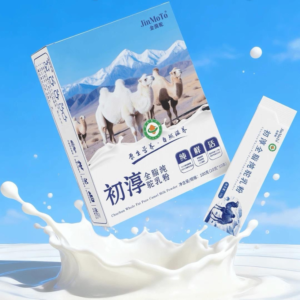
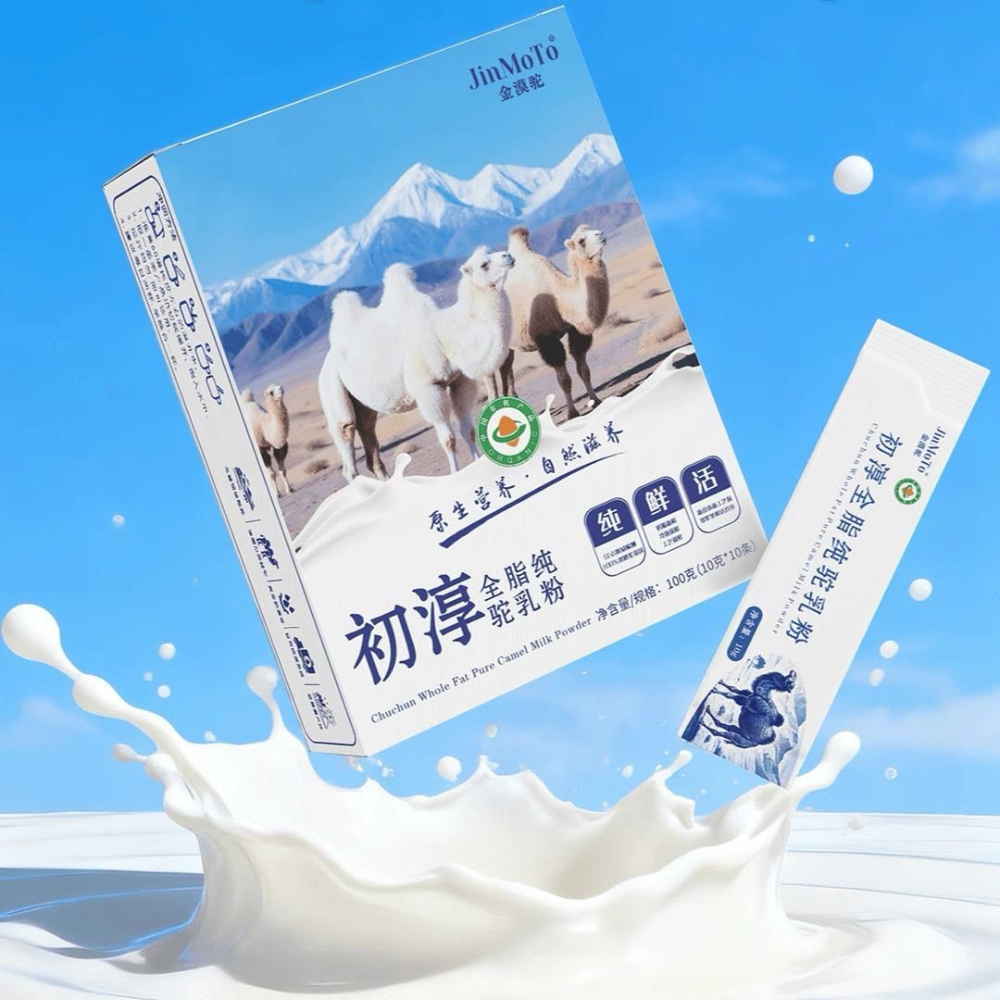
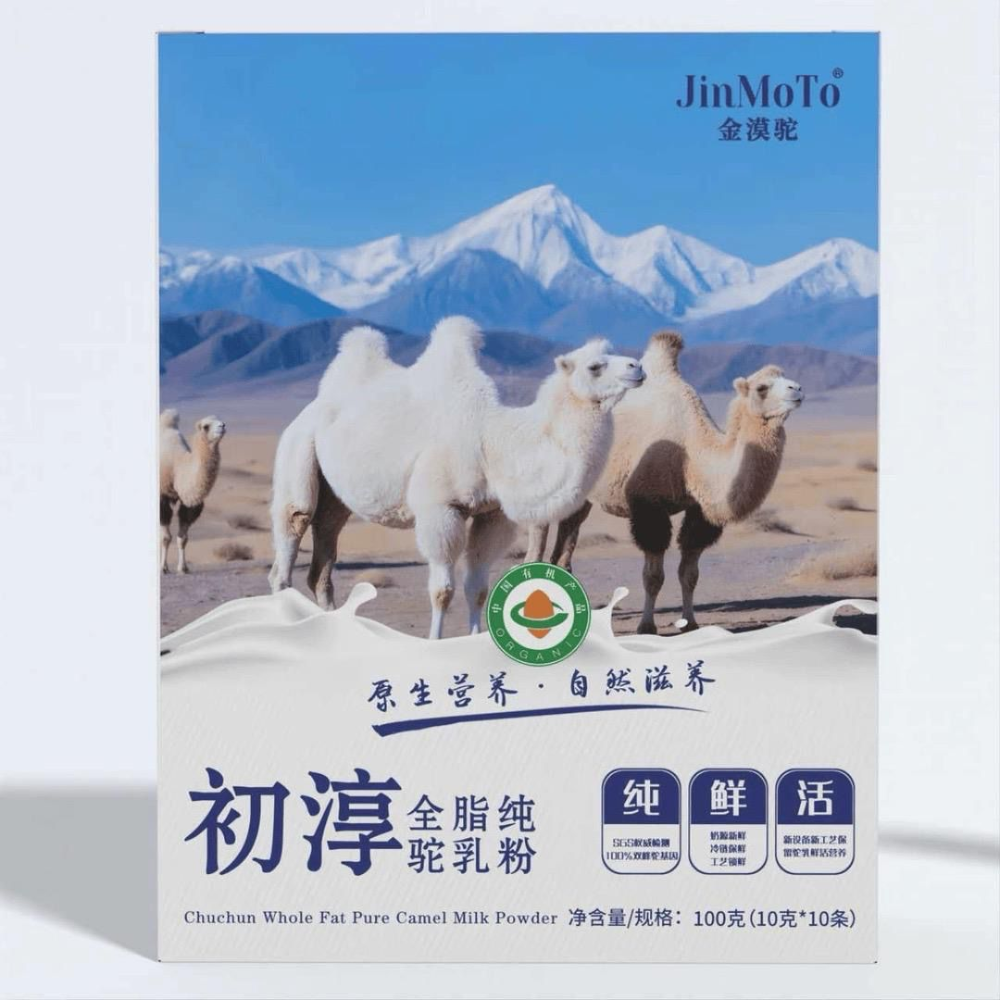

Camel milk powder is hailed as ‘desert gold’ and has attracted considerable attention for its high nutritional value. It is known to boost the immune system, improve digestion, help regulate blood sugar levels and is hypoallergenic. It is rich in immunoglobulins, lactoferrin, vitamin C (approximately three times that of cow’s milk), iron and calcium, whilst being low in fat and lactose, making it suitable for those with a weak constitution, the elderly, children and those with cow’s milk allergies as a nutritional supplement.
The six key benefits of camel milk powder:
Boosting immunity and reducing inflammation
Rich in active ingredients such as immunoglobulin (IgG), lactoferrin and lysozyme, it has antibacterial and antiviral properties and helps restore immune function. It is suitable for those with a weak constitution and for post-operative recovery.
Helps lower blood sugar levels (diabetes care)
Research indicates that camel milk contains a protein similar to insulin that is not easily broken down by stomach acid; regular consumption may help improve insulin resistance and lower haemoglobin A1c levels.
High in nutrients and low in lactose, aids digestion
It is low in fat and has a fine texture, making it easy to digest. For those with lactose intolerance, it is less likely to cause allergic reactions such as diarrhoea, and is suitable for people with sensitive stomachs.
Hypoallergenic (lactoglobulin-free)
Camel milk does not contain the allergenic protein found in cow’s milk (8-lactoglobulin), making it a suitable and gentler dairy option for children or adults with a cow’s milk allergy.
Nourishing the blood and strengthening bones
It contains up to ten times as much iron as milk, helping to prevent iron-deficiency anaemia. It is also rich in calcium and vitamin D, which promote bone growth and help prevent osteoporosis.
Antioxidants and Beauty Care
Vitamin C and a variety of active ingredients possess excellent antioxidant properties, helping to combat free radicals and promote healthy skin.
Suitable for:
People with weakened immune systems: the elderly and those who are frail or in poor health.
Special dietary requirements: lactose intolerance, cow’s milk allergy.
Health management: patients with diabetes and hyperlipidaemia.
Children in their growth and development phase: ensure an adequate intake of high-quality protein and calcium.